Fingertip Symphony
by Emma Probst
My fingers are tiny acrobats
their movements still amaze
Silent, they speak.
With grace, they dance
and grasp with dexterity
They display their acrobatic skill
learning to play guitar.
At first they leapt reluctantly
unsure of which fret to land
but now they fly bravely
between each string.
Performing great melody.
My fingers externally express
internal contemplation.
They vault between the letter keys
their dance, producing words.
They grasp a pen, skate across the page
forming symbols for innermost thoughts.
Text becomes the outgrowth of essence
hid within recess of soul.
My fingers themselves can speak
in gestures they choose to perform.
The high-five, wave and applause
all declaring approval and praise.
While other movements are deemed obscene
demeaning poses intended
only to insult, affront or debase
the person to whom they’re directed
The fingertips also experience
language within themselves.
The simple touch or caress discerning
attributes unperceived by sight.
Familiarity established through a loving touch
or lost through the flinch of rejection.
The fingers retain their movement
relentless, without rest or fail.
And yet, for all of their service
fingers are taken for granted
only acknowledgment seen
when they are injured or pained.
With our fingers, we grasp the link to life
or knowledge, community.
Still the fingers remain in their dance
the unfaltering symphony
Sunday, August 31, 2014

Friday, August 29, 2014
Short Fiction: "Jenna" or "The Girl who was Far too Obsessed with Moby-Dick for her Own Good"
Facebook has been used for many fascinating things over the years but I think one of its most interesting uses has been its use as a publishing venue for "Facebook Short Fiction" - fairly short and entertaining stories (Sometimes with a moral behind them) published in a single Facebook Post. Inspired by Craig Svonkin's multiple works of awesome FB Short Fiction, I thought I would take a stab at it myself. I also would like to credit authors such as Svonkin, Melville, Hawthorne and Shakespeare who have discussed the dangers found in an all-consuming obsession with singular item or concept (Monomania). Credit for the use of the word "or" in my title goes to Melville, who really liked to put "or" in his book titles (Not the boat paddling kind of oar, the other one). Any similarity between the protagonist of this story and myself is roughly 95% coincidental.
"Jenna" or "The Girl who was far too Obsessed with Moby-Dick for her Own Good"
When Jenna Sheridan received a copy of Herman Melville's "Moby-Dick" from her Grandfather as a birthday present, she really wasn't expecting this book to have a profound impact on her life. Jenna wasn't much of an expert on Whaling or Whales or anything nautical for that matter, living in the fairly landlocked city of Topeka, Kansas, meant that she could count on one hand the number of times she had even seen the ocean. How could a book that is all about the sea interest her? Jenna carefully placed the book on her shelf, awaiting the day when she would become possessed with the desire to read it.
During her Summer break from college, Jenna found herself with a large chunk of free time on her hands and she decided that she would give this whale book a chance. When it came to finding personal interest in a book about whaling, Jenna had to look no further than the first chapter where Melville reminded Jenna of her own deep love for the sea that she had pretty much competely forgotten about. After this, Jenna found herself hooked in every literal, symbolic and metaphorical sense of the word, on this book. Before she even knew what was happening, Jenna had completely polished off Moby-Dick, familiarizing herself considerably with whales and whaling in the process. After completing the book, she stored in a place of honor on her nightstand and thanked her Grandfather profusely for helping such an inspiring book to enter into her life. In seemed, in all respects that Jenna's voyage with Ahab was over. But it was really only the beginning...
The changes were gradual at first. For example: Jenna developed a strong and undeniable passion for drinking Starbuck's coffee. "Did you know" she would tell her friends as they sipped their Frappuccinos , "that they named this franchise after "Starbuck", Captain Ahab's first mate in Moby-Dick? They almost named it "Pequod" after his ship but I guess they thought that "Starbuck" sounded more like a coffee shop franchise name." Jenna's friends genuinely found this factoid interesting-the first time she mentioned it, by the time Jenna had mentioned this particular fact the 29th time, their interest started to wane-not just their interest in this factoid, but their interest in Starbuck's coffee as a whole, and their interest in Jenna. Coffee wasn't the only new passion in Jenna's life either, she also found that her new favorite animal in the entire world was a sperm whale. After buying every sperm whale related piece of merchandise that she could get her hands on, including sperm whale ear buds (Which were hard to get by the way). She found every single relevant time possible to discuss all the new facts that she had discovered about Sperm Whales. Whether they were watching "Finding Nemo", visiting the aquarium, or even just swimming in the pool, Jenna used this as an opportunity to spout even more information about Sperm Whales. When Jenna's other friends such as Lacie or Starla tried to share some facts about animals they liked such as chipmunks, llamas, or dolphins, Jenna would get visibly irritable and lecture her friends, telling them to stop boring people with irrelevant information. Whenever Jenna watched a movie with her family or read a book, she found some strange way to link it back to Moby-Dick with comments such as: "that pastor guy reminds me of Father Mapple" or "this action movie scene with a guy breaking down the door reminds me of the time that Ishmael thought Queequeg was dead and kicked down the door in order to see if he was ok". Eventually, these comparisons made it into Jenna's everyday interactions with others which became even more concerning to her friends: "The other day I was trying to concentrate on my reading and my brother was so loud, just like in Moby-Dick when Stubb is trying to eat his dinner and the sharks are being so noisy while they are eating this whale". Lacie and Starla exchanged worried glances as they hoped and prayed that Jenna would return to normal once her fall classes started back up again. They missed the old Jenna, the fun Jenna, the normal Jenna that could talk about normal things instead of just talking about Moby-Dick all the time and weirding everyone out.
Unfortunately, the beginning of the semester only seemed to make the situation worse. While Jenna was sitting in her first class of the semester, the professor was doing roll call, when he got to the name "Jenna Sheridan" she responded with "Yes, that's me, but call me Ishmael". This statement resulted in an eruption of laughter from the rest of the class, either because they understood Jenna's direct reference to Moby-Dick or because "Ishmael" was obviously a boy's name an couldn't have been a nickname because it was much longer than her original name. The professor was somewhat perplexed by Jenna's choice of title, but once it became apparent that Jenna was adamant about being referred to by this name for the duration of the semester, he took to calling her "Ishmael" as she requested. When Jenna's friend's realized that Jenna's obsession was only growing stronger with time, they decided to read Moby-Dick and come up with a strong argument from Moby-Dick in order to convince Jenna not to be so obsessive. Starla pointed out to Jenna that being obsessed with Moby-Dick was probably not a good idea because Moby-Dick strongly advises not becoming obsessed with one solitary thing. "Just look at what happened to Ahab!" she pointed out. Jenna gently but forcibly stated that she appreciated Starla's concern but that Captain Ahab's fate clearly didn't apply to her. "After all, Ahab was obsessed with nasty things, like vengeance, I'm obsessed with nice things, like a book, Moby-Dick. Ahab and I are completely different, end of story!."
Starla and Lacie eventually lost contact with Jenna because they simply couldn't take even one more day of her obsessive, self-destructive ranting. But they heard rumors that Jenna had eventually reached the stage where the only way to speak with her was through direct quotations from Moby-Dick, to which she would respond with her own direct quotations. This made it very difficult to communicate with Jenna because Melville was already somewhat ambiguous to begin with and the ambiguity was only amplified by having a twenty-year-old woman such as Jenna, taking quotations and using them out of context to create her own meanings. Gradually, eventually, Jenna drifted away from reality completely. Like Pip, Jenna too was adrift, lost in a sea of her own thoughts and obsessions, but unlike Pip, all rescue attempts had failed, leaving Jenna forever stranded in her own mind.
"Jenna" or "The Girl who was far too Obsessed with Moby-Dick for her Own Good"
When Jenna Sheridan received a copy of Herman Melville's "Moby-Dick" from her Grandfather as a birthday present, she really wasn't expecting this book to have a profound impact on her life. Jenna wasn't much of an expert on Whaling or Whales or anything nautical for that matter, living in the fairly landlocked city of Topeka, Kansas, meant that she could count on one hand the number of times she had even seen the ocean. How could a book that is all about the sea interest her? Jenna carefully placed the book on her shelf, awaiting the day when she would become possessed with the desire to read it.
During her Summer break from college, Jenna found herself with a large chunk of free time on her hands and she decided that she would give this whale book a chance. When it came to finding personal interest in a book about whaling, Jenna had to look no further than the first chapter where Melville reminded Jenna of her own deep love for the sea that she had pretty much competely forgotten about. After this, Jenna found herself hooked in every literal, symbolic and metaphorical sense of the word, on this book. Before she even knew what was happening, Jenna had completely polished off Moby-Dick, familiarizing herself considerably with whales and whaling in the process. After completing the book, she stored in a place of honor on her nightstand and thanked her Grandfather profusely for helping such an inspiring book to enter into her life. In seemed, in all respects that Jenna's voyage with Ahab was over. But it was really only the beginning...
The changes were gradual at first. For example: Jenna developed a strong and undeniable passion for drinking Starbuck's coffee. "Did you know" she would tell her friends as they sipped their Frappuccinos , "that they named this franchise after "Starbuck", Captain Ahab's first mate in Moby-Dick? They almost named it "Pequod" after his ship but I guess they thought that "Starbuck" sounded more like a coffee shop franchise name." Jenna's friends genuinely found this factoid interesting-the first time she mentioned it, by the time Jenna had mentioned this particular fact the 29th time, their interest started to wane-not just their interest in this factoid, but their interest in Starbuck's coffee as a whole, and their interest in Jenna. Coffee wasn't the only new passion in Jenna's life either, she also found that her new favorite animal in the entire world was a sperm whale. After buying every sperm whale related piece of merchandise that she could get her hands on, including sperm whale ear buds (Which were hard to get by the way). She found every single relevant time possible to discuss all the new facts that she had discovered about Sperm Whales. Whether they were watching "Finding Nemo", visiting the aquarium, or even just swimming in the pool, Jenna used this as an opportunity to spout even more information about Sperm Whales. When Jenna's other friends such as Lacie or Starla tried to share some facts about animals they liked such as chipmunks, llamas, or dolphins, Jenna would get visibly irritable and lecture her friends, telling them to stop boring people with irrelevant information. Whenever Jenna watched a movie with her family or read a book, she found some strange way to link it back to Moby-Dick with comments such as: "that pastor guy reminds me of Father Mapple" or "this action movie scene with a guy breaking down the door reminds me of the time that Ishmael thought Queequeg was dead and kicked down the door in order to see if he was ok". Eventually, these comparisons made it into Jenna's everyday interactions with others which became even more concerning to her friends: "The other day I was trying to concentrate on my reading and my brother was so loud, just like in Moby-Dick when Stubb is trying to eat his dinner and the sharks are being so noisy while they are eating this whale". Lacie and Starla exchanged worried glances as they hoped and prayed that Jenna would return to normal once her fall classes started back up again. They missed the old Jenna, the fun Jenna, the normal Jenna that could talk about normal things instead of just talking about Moby-Dick all the time and weirding everyone out.
Unfortunately, the beginning of the semester only seemed to make the situation worse. While Jenna was sitting in her first class of the semester, the professor was doing roll call, when he got to the name "Jenna Sheridan" she responded with "Yes, that's me, but call me Ishmael". This statement resulted in an eruption of laughter from the rest of the class, either because they understood Jenna's direct reference to Moby-Dick or because "Ishmael" was obviously a boy's name an couldn't have been a nickname because it was much longer than her original name. The professor was somewhat perplexed by Jenna's choice of title, but once it became apparent that Jenna was adamant about being referred to by this name for the duration of the semester, he took to calling her "Ishmael" as she requested. When Jenna's friend's realized that Jenna's obsession was only growing stronger with time, they decided to read Moby-Dick and come up with a strong argument from Moby-Dick in order to convince Jenna not to be so obsessive. Starla pointed out to Jenna that being obsessed with Moby-Dick was probably not a good idea because Moby-Dick strongly advises not becoming obsessed with one solitary thing. "Just look at what happened to Ahab!" she pointed out. Jenna gently but forcibly stated that she appreciated Starla's concern but that Captain Ahab's fate clearly didn't apply to her. "After all, Ahab was obsessed with nasty things, like vengeance, I'm obsessed with nice things, like a book, Moby-Dick. Ahab and I are completely different, end of story!."
Starla and Lacie eventually lost contact with Jenna because they simply couldn't take even one more day of her obsessive, self-destructive ranting. But they heard rumors that Jenna had eventually reached the stage where the only way to speak with her was through direct quotations from Moby-Dick, to which she would respond with her own direct quotations. This made it very difficult to communicate with Jenna because Melville was already somewhat ambiguous to begin with and the ambiguity was only amplified by having a twenty-year-old woman such as Jenna, taking quotations and using them out of context to create her own meanings. Gradually, eventually, Jenna drifted away from reality completely. Like Pip, Jenna too was adrift, lost in a sea of her own thoughts and obsessions, but unlike Pip, all rescue attempts had failed, leaving Jenna forever stranded in her own mind.
The House of the Seven Gables: Ancestry, Appearances, and Personal Responsibility
I finished reading "The House of the Seven Gables" by Nathaniel Hawthorne! I thought it was a good book that delved into some of Hawthorne's concerns about the generational impact of sin. As usual,
I would like to share some of the things I found while I was reading. Starting now:
1. Our past and our ancestry have a strong influence on us and may impact our lives in direct ways

At the beginning of this book, we learn that one of the ancestors of our main characters was a greedy man who was always grasping for more. In the midst of his greed, this man even accuses another man of witchcraft so that he can take his land from him. When we flash forward to the present, we find this man's descendants dealing with two alternatives: they can either embrace this generational sin of greed, following after the spirit of this old colonel, or they can resist the temptation to follow him and renounce this sin. in both cases, it can be seen that the past has influenced these people, either to emulate or avoid. I think part of Hawthorne's concern with the past has to do with his own personal history. Nathaniel Hawthorne was a descendant of John Hathorne, a judge at the Salem Witch Trials who never once regretted sentencing those people, some who were witches and many who were not, to death. I think Hawthorne was concerned about the impact that this personal history may have on him.
2. Life is not a spectator sport

I'm borrowing this quote from Disney's "The Hunchback of Notre Dame", but it is certainly a theme in this book as well. Hawthorne has three characters: Hepzibah, Clifford and Holgave who have all spent their lives avoiding human involvement, which has left most of them feeling lonely. When Holgrave is talking to another character, Phoebe, he explains that he cares about people but would prefer to observe their trouble instead of getting involved. Phoebe rebukes him for this behavior and tells him that if he really cares about others, he would do something and not just watch others suffer. Two other characters finally are able to leave their home and interact with the people around them, giving them considerable joy. Don't just observe, get out there!
3. A person's external appearance doesn't necessarily indicate the internal state of their heart

Hawthorne shows several characters who are drastically different from what the popular perception of them would seem to indicate. Hepzibah is a woman who has problems with her eyesight which gives her the tendency to sneer at the most inopportune times. The people around her see her as unkind or rude, but the truth is that she is extremely kind to her brother, looking after him when is distant from reality. She also befriends a young artist who she invites to live in her house. Another character seems, in all respects, to be a kind, helpful gentleman but he is actually a hypocrite who is covering up the considerable evil he has done in the past as well as a greed that allows him to ignore the needs of others in favor of his own wants. His virtue and his smiling face are both a facade. At the end of the story, there is another man who offers deep insights like a philosopher. When his friends tell him about his philosophical gift, this man tells them that all of the people who were around him when he was younger considered him to be slow and dim in his intelligence. There is a lot more to someone than what we see on the outside.
4. Be a ray of sunshine that brings light into people's lives

One of the most memorable characters in this book is Phoebe, she is Hepzibah and Clifford's cousin and she comes into the house of the seven gables which has become a gloomy place and brightens it with her smile and her willingness to completely invest in the people around her. Many critics point out the similarities between Phoebe and Hawthorne's wife which makes me smile because this was the way that he saw her. As Phoebe prepares to leave on a short trip, she is approached by several people who thank her for the encouragement that she has given them, asking her to hurry back as quickly as she can. We all have the opportunity to brighten the lives of others. A simple smile, some kind words, or even a note of encouragement to someone has had an influence in your life can help to make the world that much brighter. I hope I can achieve this to some extent in my life.
5. Just because the majority of people disagree with you, doesn't necessarily mean that you are wrong

There is a point in the book when Hepzibah and her brother are threatened by an upstanding member of the community who everyone considers to be honorable. Hephzibah realizes that even if she called out for help, the villagers would probably take the side of this man over hers even though she knows the truth. This places her in a situation where she cannot ask for help and must find a solution on her own. Sometimes, we may find ourselves in a position where everyone else may disagree with us about something. If we are speaking for the truth, we should stand by it, even if we're standing alone.
6. Don't let your Greed Compromise your Relationships with Others

In this book, there are characters who allow greed to consume them in a similar manner to Ahab in Moby Dick who allows his desire for the White Whale to overcome his ability to maintain his interpersonal relationships, causing him to use the people around him as pawns. This book expresses similar behavior in these characters by allowing their grasping, greedy pursuits to lead them into making compromises that they shouldn't. One character allows a master of magic to hypnotize his own daughter so that she can help them find the deed to a vast fortune. This hypnotist retains his control over the man's daughter and this eventually leads to her inadvertent death. It isn't wrong to desire wealth, but it is wrong to sell out other people in order to secure it.
7. Own up to your mistakes

One of the characters in this book falls on desperate times and decides to steal some money from his uncle. As he is doing this, his uncle walks in on him and dies on the spot (Talk about bad timing). Instead of telling the police that his uncle died of natural causes as he was attempting to rob him, this man, afraid of being caught stealing, frames his cousin for the robbery which ultimately causes this cousin to be falsely accused of murder and sent to prison. If this man had simply admitted his wrongdoing, he would have prevented a lot of pain and heartache.
I think the main point of this novel is that every individual is ultimately responsible for their own actions. Although the sins of the father may impact future generations by presenting them with legitimate temptations, each person is responsible for the choices they make and should endeavor to make good choices
I would like to share some of the things I found while I was reading. Starting now:
1. Our past and our ancestry have a strong influence on us and may impact our lives in direct ways
At the beginning of this book, we learn that one of the ancestors of our main characters was a greedy man who was always grasping for more. In the midst of his greed, this man even accuses another man of witchcraft so that he can take his land from him. When we flash forward to the present, we find this man's descendants dealing with two alternatives: they can either embrace this generational sin of greed, following after the spirit of this old colonel, or they can resist the temptation to follow him and renounce this sin. in both cases, it can be seen that the past has influenced these people, either to emulate or avoid. I think part of Hawthorne's concern with the past has to do with his own personal history. Nathaniel Hawthorne was a descendant of John Hathorne, a judge at the Salem Witch Trials who never once regretted sentencing those people, some who were witches and many who were not, to death. I think Hawthorne was concerned about the impact that this personal history may have on him.
2. Life is not a spectator sport
I'm borrowing this quote from Disney's "The Hunchback of Notre Dame", but it is certainly a theme in this book as well. Hawthorne has three characters: Hepzibah, Clifford and Holgave who have all spent their lives avoiding human involvement, which has left most of them feeling lonely. When Holgrave is talking to another character, Phoebe, he explains that he cares about people but would prefer to observe their trouble instead of getting involved. Phoebe rebukes him for this behavior and tells him that if he really cares about others, he would do something and not just watch others suffer. Two other characters finally are able to leave their home and interact with the people around them, giving them considerable joy. Don't just observe, get out there!
3. A person's external appearance doesn't necessarily indicate the internal state of their heart

4. Be a ray of sunshine that brings light into people's lives

5. Just because the majority of people disagree with you, doesn't necessarily mean that you are wrong

6. Don't let your Greed Compromise your Relationships with Others

7. Own up to your mistakes
One of the characters in this book falls on desperate times and decides to steal some money from his uncle. As he is doing this, his uncle walks in on him and dies on the spot (Talk about bad timing). Instead of telling the police that his uncle died of natural causes as he was attempting to rob him, this man, afraid of being caught stealing, frames his cousin for the robbery which ultimately causes this cousin to be falsely accused of murder and sent to prison. If this man had simply admitted his wrongdoing, he would have prevented a lot of pain and heartache.
I think the main point of this novel is that every individual is ultimately responsible for their own actions. Although the sins of the father may impact future generations by presenting them with legitimate temptations, each person is responsible for the choices they make and should endeavor to make good choices
Poem: Light Breaks Through

by Emma Probst
Some say the eyes are windows,
exposing some part of the soul.
That by looking within
you could witness
selfhood's essence
beneath iris hue
Some call the eyes a great tapestry
a glorious work of art.
Depicting a person's true character
in permanent pupil's ink.
Denoting a trustworthy person
simply by holding their gaze.
Still others describe eyes as rivers,
where people can swim and refresh.
A welcoming glance bringing peace
affirming sincerity.
The warmth of all human companionship
encompassed in two blinking orbs
But do two eyes really contain so much?
When you look at mine
what do you see?
One eye remains focused,
the other adrift
and wandering off to the side
What does this duality indicate?
Does it highlight a divided mind?
Or perhaps some indecisiveness
expressed in my mismatched eyes.
If so, then my eyes deal falsely
failing to capture my view.
Perhaps the eyes are a mirror.
Any traits that you think you may see
reflect in yourself
to a greater extent
than is manifest
within me
Or maybe the eyes are great beacons
combing rock clefts for hidden truths.
The stimulus of this world
processed in depth
until every treasure is found.
The eyes may not be a window,
I don't think they expose that much soul.
But I know that they serve as a skylight
allegory of distant cave.
The mind in utter darkness
awaiting momentous instant
when the eyelids flutter open
and light, precious light
breaks through
Poem: Tethered

by Emma Probst
Tethered to the dock,
a tiny rowboat sits.
Bobbing among the subtle waves
that gently lift
and fall
The line,
like a great chain,
keeps the currents from seizing the boat.
And taking it to distant lands
destruction on foreign soil.
The boat is fastened firmly,
the line is built secure.
Prepared for any windy gale
to ravage
pull and tear
A storm arrives with swiftness,
waves pulling at the boat.
Stretching the cord to its limits,
the boat to the breaking point
In the midst of the monstrous gale,
the line holds,
and the boat feels serene.
Each tug of the cord
brings assurance,
that the knot remains tight and secure.
The spray of each wave
renews confidence
that the line will never fail
But when the waters calm
the boat questions
the strength of this bond.
Adrift in an ocean of values
that pleasantly offer their cause.
The rope slackens
then the boat wonders
is it even connected at all?
Does the dock still exist?
Or is this vessel
set loose among foreign tides
The boat was prepared for the storms
attempting to drag it away.
Expecting a constant gale
to thwart
every moment enraged.
The one thing it hadn't prepared for
the one thing it didn't expect
was the pleasant calm,
the deep lulling,
the feeling of being alone
Have faith, little boat
in tranquility.
When the waves feel ginger and mild
you are still attached to the sturdy dock.
You do not drift the waves alone.
Nor are you any less durable
than boats that brave multiple storms.
You are such a brilliant little boat!
Be at peace
in the midst of the calm
Poem: Castles Fall

Castles Fall
by Emma Probst
I beheld a shattered castle,
echoes of its former state
Desolation seemed to rapid
but the origin,
so vague
When others observe this ruin,
all they see are charred remains
Implicit of a battle waged
and lost to the hand of fate.
They envision the flames
external threats
as the reason this structure caved
Take a closer look at the ruins
gaze beneath the carnage and loss
Examine the crevices,
miniscule cracks.
Structural damage that compromised
before any conflict sustained
But when that battle came
and bombardments shook these walls
crack and crevice expanded
into long and gaping holes.
The castle faded effortlessly
before the people's eyes.
Crumbled into neglected remnants
and left to the stripping of time
Do not fear the marching armies
or the flaming arrow's gleam
Defend erosion,
the subtle assault,
raging
when people see peace
Beware the sinister questionings
and doubts that slowly remove
foundation stones from their placements
Compromising the firm and true.
Evade the miniscule fractures
that expand as time wears on.
Crevice will link on crevice
gradual dissolution, decay
And when the battle finally comes,
the castle surrounded with troops.
The walls,
they shatter like porcelain
with one thrust,
of the battering ram
Moby-Dick: Obsession, Diversity, and the Dangers of Monomania
So, I finished reading Moby-Dick! I thought it was a pretty awesome book that contained a lot of philosophical depth (Pun intended) and I would love to share some of the amazing things I've found. I will try to keep spoilers to a minimum. Let's begin!
1. Predeterminism and Free Will

Moby-Dick dives into a concept that Theologians and Philosophers have discussed for ages: Does man have free will, and if so, to what extent? Melville uses words like "predestined" or "predetermined" at several points, even using it as an adjective at some points. All of this serves to indicate that the events which take place at the end were already determined to take place, there is also a lot of foreshadowing going on as well. At the same time, there are points when the characters in the book are forced to make a decision that only seals the events that take place at the end. While each character could have chosen differently, it would be unlikely because this decision would be contrary to their previously established nature. Near the end of the book, the captain of another vessel comes aboard Ahab's ship and asks Ahab to help search for some missing crewmembers. Although I hoped that Ahab would help this captain, I strongly suspected that he wouldn't because it had already been established that Ahab's obsession with vengeance had caused him to put aside any interest in his fellow man. As a result, Ahab's refusal wasn't exactly shocking. Another important decision is made by a character named Starbuck who serves as the second in command of the Pequod. Starbuck notices Ahab's obsession and realizes that it could potentially lead to the death of the entire crew. Starbuck is faced with an ethical dilemma: Is it right for him to shoot Ahab (Who has become a madman at this point) so that he may preserve the lives of the rest of the crew. This decision becomes even harder for Starbuck because he is a Quaker and Quakers believe that it is wrong to use guns (Even in self-defense), much less using a gun to kill someone. Because we are already familiar with Starbuck's beliefs, his ultimate decision is not surprising. While we have choices, our decisions stem from our values and can serve as part of a greater plan.
2. Pouring Yourself into the Lives of Others

This book shows the importance of personally investing in others by providing both negative and positive examples. On the positive side, we have Ishmael befriending a harpooner named Queequeg who comes from a culture very different from his own. The two become closer than brothers and remain so throughout the book. Melville paints a contrasting picture of investment early in the book when Queequeg and Ishmael go to church. They arrive at a building filled with people silently and despairingly mourning their loved ones lost at sea. Father Mapple, the pastor, walks in and goes up to the pulpit which is designed to look like the front of a ship and is accessible by a ladder. Mapple climbs up to the pulpit and then pulls the stepladder up after him. Although he delivers a relevant sermon that makes numerous references to sailing and uses language that the people can relate to, Mapple never takes the time to personally bond with his congregation. After his sermon is concluded, he kneels until everyone leaves- not speaking to anyone. We should invest in the people around us.
3. Whales are Actually Pretty Awesome

I was not all that interested in whales when I started reading this book. I knew that they were huge aquatic mammals but that was pretty much it and I never really cared enough to learn more. Because Ishmael is a former school teacher, we are given a detailed education on whales. We are exposed to the whale from several angles including full chapters on a sperm whale's head, tail, skeleton, blubber, as well as the differences between a sperm whale and the seemingly similar right whale. You learn some pretty interesting things too. For example: sperm whales have an eye on each side of their body which gives them two distinct views of the ocean but they are blind to anything directly in front of them. They also have blubber that helps them keep the same internal temperature regardless of their surroundings. I also found that whales are pretty cute. During one of their whaling trips, Ishmael's small whaling craft finds itself in the midst of a sperm whale nursery. Melville's description of nursing mother whales, tiny baby whales and larger pregnant whales produced a vividly adorable image in my mine, one that I found was pretty accurate when I googled them later. I am now quite fond of whales and I think I can blame Melville for that.
4. Finding Philosophical Insight in Everyday Things

For most of the books I read, it is B.Y.O.P.I. (Bring your own philosophical insight) but in Moby-Dick, there is so much philosophical insight that is already there because Ishmael is a very philosophical fellow (This probably has something to do with the fact that Melville is a very philosophical fellow). While it certainly helps to bring your own insight as well, there is so much that is already there which helps to demonstrate that even the smallest everyday things can be a source of rich insight. When Ishmael is discussing the difference between a whale that has already been claimed (A Fast Whale) and a whale that still remains for the taking (A Loose Whale). Ishmael mentions that some things such as religion are loose whales and that human beings are simultaneously loose whales and fast whales (Still wrapping my head around that one). Finding the philosophical in the everyday shouldn't come as too much of a surprise to us, Jesus did the same with his parables.
5. Captain Ahab is a Lot Like Richard III


I love it when something I am reading connects to something that I have already read. In this case, I noticed some interesting similarities between Captain Ahab from Moby Dick and Richard III from the Shakespeare play of the same name. Both of these men are "deformed" in some way and see this as part of their identity and their motivation for their actions, Richard is literally deformed while Ahab comes to identify strongly with the leg that he lost to Moby-Dick. Both of these men claim that their deformity prevents them from enjoying the world in a normal manner. Richard III starts of the play with a speech discussing his inability to live a normal life and Ahab has a similar speech after his desires are made clear. Both Ahab and Richard are fairly transparent in their desires (Ahab desiring vengeance and Richard wanting power) and yet they are both able to deceive, hiding their obvious motives for a time. They both persuade people to follow after them and help them in their goals. Both begin to deteriorate as the story progresses. Near the end, both characters receive an epiphany about who they are as well as the depths to which they have sunk...this realization does nothing to prevent them from meeting their ultimate fate. There is one big difference between the two, Richard is evidently an evil man whom you are not supposed to pity, a man who doesn't even feel pity for himself (I pity him, but I'm weird). Ahab on the other hand is a decent man who is corrupted by his feelings of victimization and his need for revenge. Ahab is a man we can all pity while normal people do not pity Richard.
6. Don't Use the People Around You As Commodities
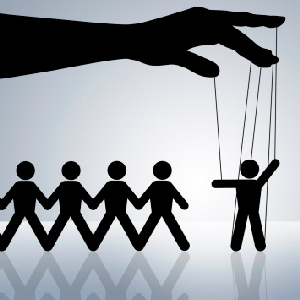
One of the first signs that Ahab's obsession is a bad thing can be seen in the way that he treats the people around him. To Ahab, every human being is just a pawn that can be used as a means of achieving his final goal: destroying Moby-Dick. Ahab only cares about people to the extent that they benefit him and his personal agenda and this is not a healthy lifestyle. Whenever Ahab would encounter another ship (Which happened surprisingly often), he would as one question: "Hast seen the White Whale?" This question is void of even the familiar touch of the word "you". The answer to the question was all that Ahab cared about, anything else that was going on onboard that ship, even when the ship had injured captains, missing crewmembers, of dead crewmembers, even when things seemed fishy, like an insurrection was upcoming, none of this mattered to Ahab. Once Ahab got his answer, he would leave the ship behind, unassisted, in the midst of its troubles.
7. Melville has a Unique and Diverse Narrative Style

I didn't really notice this until my sister asked me about the narrative style in this book but there are actually several in here at the same time. The book starts in the first person with Ishmael narrating his experiences then it jumps into the third person at several points as it mentions the events that take place on the Pequod. The book turns into a play for a chapter or so with both dialogs and soliloquies present. As you read there are times when you feel like you might be reading a play, a dictionary, an encyclopedia on whales, a philosophy book, and a whaling manual. Yet, in the midst of all this diversity and transition, the structure feels perfectly normal and it all fits together pretty well.
8. Obsession is Dangerous

I think many of us, even if we haven't read Moby-Dick, are familiar with Ahab's deadly obsession with the White Whale. It is a cultural icon, with allusions present in Star Trek: First Contact, Anamaniacs, and The Pagemaster among others that I can't think of at the moment. Obsession is unhealthy and dangerous because it causes you to lose perspective on your personal values and interpersonal relationships. In addition to the outward destruction that Ahab faces, we are told that he is presented with an internal destruction that is far more terrifying. Melville describes Ahab's obsession as a force that is eating away at him from the inside out until this process begins to take on external properties in Ahab's physical appearance. Obsession is something that possesses you rather than the other way around. Ahab is clearly a slave to his own obsession.
9. Melville is Not a Big Fan of Oneness

I wouldn't go so far as to say that Melville has monophobia (Fear of singularness) but it does seem that Melville is very concerned about the consequences of having a singular, domineering mind overshadow the unique contributions of a diverse group of people. In one of my favorite chapters: "The Doubloon", the crewmembers each look at a coin that is nailed to one of the ship's masts. These people are all looking at the exact same coin with the same image engraved on it and yet they come up with very different interpretations of what the image means. Starbuck sees an image that points to God's presence and guidance while another crewmember, Stubb, sees it as a call to maintain a positive mindset at all times. Yet another crewmember sees only what this coin will get them after they possess it. Ahab's monomania, his obsession with Moby-Dick and nothing else, is poison to the diversity on board his ship. Dissenting voices such as Starbuck's are silenced and it eventually gets to the point where the crew of 30 act as though they are one mind- Ahab's. This suppression of diversity only leads to trouble.
10. Just Because You are On the Same Ship Doesn't Mean You All Have the Same Vision

Amid Ahab's diverse crew, you find a group of people who all have very different reasons for sailing on the Pequod. One character has lost everything of value to him and sees the whaling voyage that he is on as an indirect means of committing suicide. Ishmael is a schoolmaster who enjoys new experiences and tends to retreat to the sea whenever he is feeling stir-crazy. Ahab, as we know, only cares about destroying Moby-Dick and harvesting him for oil. It's fine if you have differing visions from those around you, however it is important to know what the people around you are trying to accomplish so that you don't find yourself at cross purposes with them. After Captain Ahab reveals his plan to hunt Moby-Dick, Starbuck is fine with it- as long as they encounter and defeat Moby Dick in the process of indiscriminately hunting whales. When it is clear that Ahab is willing to sail all the oceans looking for this particular whale and seems oblivious to well being of his crew, Starbuck and Ahab find themselves at cross purposes. Even on a whaling ship where it seems like it should be easy to discern what it's ultimate purpose should be, it is still easy to encounter a difference in vision.
Moby-Dick, The Great American Novel?
 I have heard people call Moby-Dick "the great American Novel" and I think they may have a good point. It is a great book, it's definitely American and it could be described as a "novel". At the moment it is one of my favorite books because I am pretty excited about all the things I have found while reading. I think this book is quite good at capturing America, it is full of a lot of differing perspectives and styles and yet it all fits together into a cohesive whole. An excellent picture of "Out of Many, One". This unity is different from Ahab's domineering command because it allows the individuality of every person to prosper. I think this unity is something that Melville would have wanted to continue, even when it gets challenging...this might be my longest spiel yet, but I hope it was interesting and I look forward to sharing things from the next book I read. Until then, bye
1. Predeterminism and Free Will

2. Pouring Yourself into the Lives of Others

3. Whales are Actually Pretty Awesome

4. Finding Philosophical Insight in Everyday Things
For most of the books I read, it is B.Y.O.P.I. (Bring your own philosophical insight) but in Moby-Dick, there is so much philosophical insight that is already there because Ishmael is a very philosophical fellow (This probably has something to do with the fact that Melville is a very philosophical fellow). While it certainly helps to bring your own insight as well, there is so much that is already there which helps to demonstrate that even the smallest everyday things can be a source of rich insight. When Ishmael is discussing the difference between a whale that has already been claimed (A Fast Whale) and a whale that still remains for the taking (A Loose Whale). Ishmael mentions that some things such as religion are loose whales and that human beings are simultaneously loose whales and fast whales (Still wrapping my head around that one). Finding the philosophical in the everyday shouldn't come as too much of a surprise to us, Jesus did the same with his parables.
5. Captain Ahab is a Lot Like Richard III
I love it when something I am reading connects to something that I have already read. In this case, I noticed some interesting similarities between Captain Ahab from Moby Dick and Richard III from the Shakespeare play of the same name. Both of these men are "deformed" in some way and see this as part of their identity and their motivation for their actions, Richard is literally deformed while Ahab comes to identify strongly with the leg that he lost to Moby-Dick. Both of these men claim that their deformity prevents them from enjoying the world in a normal manner. Richard III starts of the play with a speech discussing his inability to live a normal life and Ahab has a similar speech after his desires are made clear. Both Ahab and Richard are fairly transparent in their desires (Ahab desiring vengeance and Richard wanting power) and yet they are both able to deceive, hiding their obvious motives for a time. They both persuade people to follow after them and help them in their goals. Both begin to deteriorate as the story progresses. Near the end, both characters receive an epiphany about who they are as well as the depths to which they have sunk...this realization does nothing to prevent them from meeting their ultimate fate. There is one big difference between the two, Richard is evidently an evil man whom you are not supposed to pity, a man who doesn't even feel pity for himself (I pity him, but I'm weird). Ahab on the other hand is a decent man who is corrupted by his feelings of victimization and his need for revenge. Ahab is a man we can all pity while normal people do not pity Richard.
6. Don't Use the People Around You As Commodities
One of the first signs that Ahab's obsession is a bad thing can be seen in the way that he treats the people around him. To Ahab, every human being is just a pawn that can be used as a means of achieving his final goal: destroying Moby-Dick. Ahab only cares about people to the extent that they benefit him and his personal agenda and this is not a healthy lifestyle. Whenever Ahab would encounter another ship (Which happened surprisingly often), he would as one question: "Hast seen the White Whale?" This question is void of even the familiar touch of the word "you". The answer to the question was all that Ahab cared about, anything else that was going on onboard that ship, even when the ship had injured captains, missing crewmembers, of dead crewmembers, even when things seemed fishy, like an insurrection was upcoming, none of this mattered to Ahab. Once Ahab got his answer, he would leave the ship behind, unassisted, in the midst of its troubles.
7. Melville has a Unique and Diverse Narrative Style

8. Obsession is Dangerous

9. Melville is Not a Big Fan of Oneness
I wouldn't go so far as to say that Melville has monophobia (Fear of singularness) but it does seem that Melville is very concerned about the consequences of having a singular, domineering mind overshadow the unique contributions of a diverse group of people. In one of my favorite chapters: "The Doubloon", the crewmembers each look at a coin that is nailed to one of the ship's masts. These people are all looking at the exact same coin with the same image engraved on it and yet they come up with very different interpretations of what the image means. Starbuck sees an image that points to God's presence and guidance while another crewmember, Stubb, sees it as a call to maintain a positive mindset at all times. Yet another crewmember sees only what this coin will get them after they possess it. Ahab's monomania, his obsession with Moby-Dick and nothing else, is poison to the diversity on board his ship. Dissenting voices such as Starbuck's are silenced and it eventually gets to the point where the crew of 30 act as though they are one mind- Ahab's. This suppression of diversity only leads to trouble.
10. Just Because You are On the Same Ship Doesn't Mean You All Have the Same Vision
Amid Ahab's diverse crew, you find a group of people who all have very different reasons for sailing on the Pequod. One character has lost everything of value to him and sees the whaling voyage that he is on as an indirect means of committing suicide. Ishmael is a schoolmaster who enjoys new experiences and tends to retreat to the sea whenever he is feeling stir-crazy. Ahab, as we know, only cares about destroying Moby-Dick and harvesting him for oil. It's fine if you have differing visions from those around you, however it is important to know what the people around you are trying to accomplish so that you don't find yourself at cross purposes with them. After Captain Ahab reveals his plan to hunt Moby-Dick, Starbuck is fine with it- as long as they encounter and defeat Moby Dick in the process of indiscriminately hunting whales. When it is clear that Ahab is willing to sail all the oceans looking for this particular whale and seems oblivious to well being of his crew, Starbuck and Ahab find themselves at cross purposes. Even on a whaling ship where it seems like it should be easy to discern what it's ultimate purpose should be, it is still easy to encounter a difference in vision.
Moby-Dick, The Great American Novel?
Through the Looking Glass: Mirrors, Semantics, and the Dream of Life
My sister, Rachel, and I finished "Through the Looking Glass" by Lewis Carroll...we also just started reading it the same day which is a testament to Carroll's amazingly entertaining storywriting ability as well as his humor which seems to be a semilogical literal style that is taken to the extreme. We read "Alice's Adventures in Wonderland" during Christmas break so it was great to come back and read the sequel. Carroll explores a lot of deep things and accomplishes a great deal with his storytelling style. So, I'm going to rant about this book starting now:
1. Logical Creation of a Mirror Universe

As the title suggests, in order to travel to a fantasy world, Alice goes through her looking glass (Or Mirror). Carroll does a great job describing what it may look like on the other side of this mirror as well as the structure that this world would run on. For example, as a mirror world, things run opposite to the way they run in our world. When Alice tries walking away from a house and toward a hillside, she winds up going into the house but when she chooses to walk the opposite direction of her chosen destination, she easily gets to the place she wants to go to. Another thing that works backwards in this universe is the nature of cause and effect, in this case, effect precedes cause, poems about events such as TweedleDee and TweedleDum being scared off by a crow are written long before the events take place. All of this shows a very interesting (And I think quite sensible) way of structuring a backwards universe.
2. Identity

Carroll spends a lot of time looking at identity in both this book and "Alice's Adventures in Wonderland". In the first book, several characters ask Alice "Who are you?" and she is unsure about how to answer them. She has grown to the point where she isn't the same person she was yesterday and if she didn't even know who she was yesterday, how is she to know who she is today or who she will be tomorrow? In this book, Carroll looks at identity by looking at the concept of naming. When Alice is about to enter an area where she could potentially forget her name, the gnat that is talking to her says that this wouldn't be so bad. If Alice had no name, after all, no one could give her orders because they couldn't prove that they are actually addressing her. When Alice enters this wood, she is very distressed by her inability to know her own name and leaves that area as swiftly as she can. At another point, Alice is criticized for her name because the people of this mirror world believe that a name should describe the thing it is assigned to (For example a bread-and-butter fly looks exactly as you may expect it to look) and that an "Alice" could be pretty much anything. Our names are very important to us, even if they don't define us directly (I'm really not sure what an "Emma" would look like exactly but I do know that at least one of them looks like me and is me) and we cannot imagine ourselves without them.
1. Logical Creation of a Mirror Universe

2. Identity
Carroll spends a lot of time looking at identity in both this book and "Alice's Adventures in Wonderland". In the first book, several characters ask Alice "Who are you?" and she is unsure about how to answer them. She has grown to the point where she isn't the same person she was yesterday and if she didn't even know who she was yesterday, how is she to know who she is today or who she will be tomorrow? In this book, Carroll looks at identity by looking at the concept of naming. When Alice is about to enter an area where she could potentially forget her name, the gnat that is talking to her says that this wouldn't be so bad. If Alice had no name, after all, no one could give her orders because they couldn't prove that they are actually addressing her. When Alice enters this wood, she is very distressed by her inability to know her own name and leaves that area as swiftly as she can. At another point, Alice is criticized for her name because the people of this mirror world believe that a name should describe the thing it is assigned to (For example a bread-and-butter fly looks exactly as you may expect it to look) and that an "Alice" could be pretty much anything. Our names are very important to us, even if they don't define us directly (I'm really not sure what an "Emma" would look like exactly but I do know that at least one of them looks like me and is me) and we cannot imagine ourselves without them.
3. Meaning
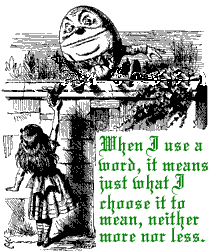
So, we've all heard the phrase "Don't get caught up in semantics", well Alice literally does get caught up in semantics when she is talking to Humpty Dumpty. Humpty constantly redefines words and claims that he has the power to make a word mean whatever he wants it to mean (It's because he pays them extra). Sometimes this involves taking a word and claiming that it "means" a whole extended sentence. Alice asks Humpty Dumpty for help in deciphering the first (And Last) stanza of the Jabberwocky poem. Humpty provides a reasonable definition for each of the terms you don't initially understand (Which is pretty much all of the terminology used in the first verse) and seems to provide a good overall translation of this stanza...the problem is that you don't fully trust what Humpty Dumpty comes up with because of his previous statement about making words mean whatever he wants them to mean. What is the true meaning of the stanza? Can you trust a person who makes their own meaning to provide a truthful transcription? In the end, I'm really not all that sure that Humpty Dumpty's translation is a true understanding of that first stanza.
4. Carroll's Humor

I would just like to take this moment to point out that Lewis Carroll is hilarious! Many of his jokes come from excessive literalization or logic. For example, at one point, Alice is trying to get inside a door. She asks a nearby frog "How do I answer the door?" and the frog responds by asking something to the effect of: "Well, what question did the door ask you?". At another point Alice is explaining all the names of bugs that exist in her world to a nearby gnat, the gnat surmises that this might help Alice to summon these bugs when she needs to but when Alice tells him that she is afraid of bugs and that the bugs probably wouldn't respond, the gnat says "What's the use of them having names if they won't answer to them". At another point, the White queen offers to hire Alice and pay her in jam (Among other things). When Alice says that she doesn't like jam, the queen responds by saying that it is "very good jam". When Alice is talking to Humpty Dumpty, she says that "one can't help growing older" and Humpty responds by saying "one can't perhaps...but two can. With proper assistance". Lastly, there is a scene where Alice is about to cut a leg of mutton, she is unsure about what to do, so the Red Queen introduces her to the mutton leg. After this Alice offers to give the queen a slice of mutton and the queen says that it is rude to chop something up after you have been introduced to it. These and many other jokes are buried in Carroll's work (And not buried too deeply either), so Rachel and I spent about half the time reading and the other half laughing hysterically.
So, we've all heard the phrase "Don't get caught up in semantics", well Alice literally does get caught up in semantics when she is talking to Humpty Dumpty. Humpty constantly redefines words and claims that he has the power to make a word mean whatever he wants it to mean (It's because he pays them extra). Sometimes this involves taking a word and claiming that it "means" a whole extended sentence. Alice asks Humpty Dumpty for help in deciphering the first (And Last) stanza of the Jabberwocky poem. Humpty provides a reasonable definition for each of the terms you don't initially understand (Which is pretty much all of the terminology used in the first verse) and seems to provide a good overall translation of this stanza...the problem is that you don't fully trust what Humpty Dumpty comes up with because of his previous statement about making words mean whatever he wants them to mean. What is the true meaning of the stanza? Can you trust a person who makes their own meaning to provide a truthful transcription? In the end, I'm really not all that sure that Humpty Dumpty's translation is a true understanding of that first stanza.
4. Carroll's Humor

5. Life as a Dream

For both "Alice's Adventures in Wonderland" and "Through the Looking Glass", the vast majority of the events that take place are actually a dream, this could make some people upset because none of it is "real". In fact Tolkien mentions in an essay he wrote called "On Fairy Stories" that if a story could be entirely explained away as a dream, it cannot be a real fantasy world. In this story, Alice is told that she isn't actually a living being, but rather a character in the Red King's dream, Alice finds this somewhat irritating because she would much rather be the one dreaming and have everyone else exist as a character. At the end, we still aren't entirely sure if Alice dreamed the whole thing or if the Red King did and Carroll even asks the reader's opinion on the matter. Unlike Tolkien, I think that Carroll thought that dreams could serve as a "real" thing, that they could capture aspects of reality and that reality in essence was a dream. I think philosophers like Descartes and Kant talk about it too, what we know about the world comes from the way that we perceive things through our senses, but it may not be the way things really are, just the way that we perceive them to be. Carroll ends his story with a poem that says: "Life, what is it but a dream". What if we die immediately awaken to find that our entire life has just been a very vivid dream.

Song of Solomon: Judgement, Genuine Love and Facing Rejection

1. Don't Judge a Book by its cover (Or the Language therein)

2. Naming

3. Love

4. Rejection

After Hagar is rejected by Milkman, she has a very difficult time coping with it (This manifests itself in Hagar's attempts to kill Milkman which are all unsuccessful because she loves him too much to do that). Ultimately Hagar cannot handle this rejection and it destroys her. What is particularly difficult for Hagar is the fact that she doesn't have the "why", she doesn't know why Milkman rejected her and as a result, she theorizes that it must be because there is something wrong with her. Hagar tears herself up trying to figure out exactly which aspect of herself Milkman didn't like. Was it her hair? Was it her mannerisms? etc. The inability to know why someone has rejected you is a difficult thing, and I really feel for Hagar, but the solution as I have learned it is to just move on. You cannot uncover every "why" so sometimes you just need to be aware of your own value and move on with your life....unfortunately, Hagar doesn't do this...
5. Knowledge of the Past

6. Taking Possession of Your Shortcomings

Instead of being insecure about your weaknesses, take hold of them, display them proudly and realize that your unique aberrations have helped make you into the person that you are. Pilate's name was given to her by her father who couldn't read and who pointed to the first name he saw in the Bible that looked good. This could have served as a reason for people to make fun of Pilate, yet, instead of being ashamed of her name, she sticks the piece of paper that her father wrote her name on into an earring that she proudly wears at all times. By wearing her name confidently, Pilate shows that she is satisfied with her name and with who she is as an individual, any insult of her name would probably lose its power at this point.
7. A Life Lived for Wealth is a Life Wasted
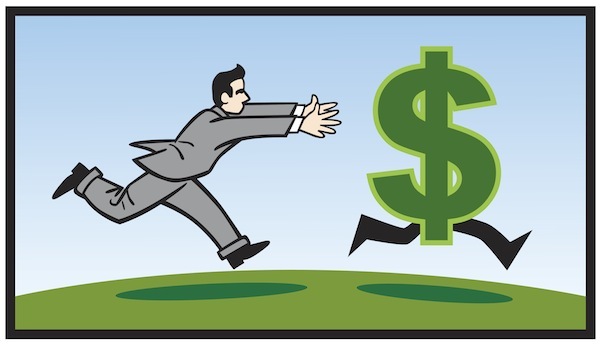
Milkman's Dad, Macon is a man who is extremely focused on collecting and displaying his wealth. While this presents a tempting example for Milkman to follow, he is shown the folly of this lifestyle when he goes on his trip of discovery. This trip starts out as a quest for treasure but Milkman discovers secrets about his ancestry that wind up being far more valuable than any pot of gold. During this trip, Milkman visits a mansion that used to be owned by one of the wealthiest families in the area. The father dies and the family loses everything and because the mother is unable to deal with an impoverished life, she commits suicide. The mansion is still inhabited by the former servant of this family who is doing everything in her power to destroy the last vestiges of success contained in this mansion. If your life's pursuit could potentially result in a ruined mansion, you may be pursuing the wrong things
The Amazing Timeline of American Literature
Do you like to meet new people? Do you like to read? Have you been looking for a way to date some American authors? Then you'll love this American Literature Timeline! Sorry about the pun earlier, I was looking for a funny way to introduce this timeline. I made this timeline video for several reasons, the first reason being that youtube didn't have one yet, I also wanted to find a concrete way to share all the amazing American authors I have learned about since August:
In the Fall of 2013, I took a course that discussed American Literature from the Civil War until now. As I was nearing the end of the course, I reached out to youtube in order to see if there was a timeline video that I could watch in order to help me properly place the authors I had been reading. When I couldn't find one, I decided that I should make one. I waited until after the Spring semester was over so that I could take the prequel course and come up with a semi-cohesive whole for American literature. I made a slide for each author with a selected work, an important quote from that work, the year, and a nifty picture of each author. I did one for each author with the exception of Herman Melville who gets two slides (I read "Benito Cereno" this semester and loved it so I wanted to place a slide for it, but somehow it didn't seem right to make an American Literature video without including Moby-Dick, so I kept both). I put some exciting instrumental music in the background as well, just to make things even more epic. I really enjoyed putting this together and I hope you enjoy it too
In the Fall of 2013, I took a course that discussed American Literature from the Civil War until now. As I was nearing the end of the course, I reached out to youtube in order to see if there was a timeline video that I could watch in order to help me properly place the authors I had been reading. When I couldn't find one, I decided that I should make one. I waited until after the Spring semester was over so that I could take the prequel course and come up with a semi-cohesive whole for American literature. I made a slide for each author with a selected work, an important quote from that work, the year, and a nifty picture of each author. I did one for each author with the exception of Herman Melville who gets two slides (I read "Benito Cereno" this semester and loved it so I wanted to place a slide for it, but somehow it didn't seem right to make an American Literature video without including Moby-Dick, so I kept both). I put some exciting instrumental music in the background as well, just to make things even more epic. I really enjoyed putting this together and I hope you enjoy it too
Relevant Literary Quotes for Finals
So, You may have noticed at this point that I'm pretty fond of literature. I think literature holds an invaluable role in our lives and can expertly capture a variety of emotions and experiences...including finals. The following list includes a few quotations that I think can totally apply to finals, but keep in mind that 99% of these are stretched or taken out of context in some way in order to make them work:

“But I have promises to keep,
And miles to go before I sleep.
And miles to go before I sleep.”
– Robert Frost (Stopping by Woods on a Snowy Evening)
This pretty much sums up the days leading up to finals, you have studying to do which translates into several hours of studying before you sleep (Especially if you decide to postpone the whole sleeping thing until after finals are over)

“‘If I am going to be drowned-if I am going to be drowned-if I am going to be drowned, why, in the name of the seven mad gods who rule the sea, was I allowed to come thus far and contemplate sand and trees?’”
– The Correspondent (Steven Crane, The Open Boat)
Being so close to the end of the semester and failing at finals is a lot like being in a lifeboat close to shore and being unable to reach dry land (This is what Stephen Crane's story: "The Open Boat" is all about). The good news is that finals are usually a whole lot less difficult that you mentally expected them to be.

“So boy, don’t you turn back.
Don’t you set down on the steps
’Cause you finds it’s kinder hard.”
–Langston Hughes (Mother to Son)
I think Hughes has got this one covered. Basically, don't quit just because things are a little hard. Also, I think it is a whole lot better to fail in a valiant blaze of effort than it is to quit.

“But what the Man-Moth fears most he must do, although
he fails, of course, and falls back scared but quite unhurt.”
–Elizabeth Bishop (The Man-Moth)
I don't think any of us are going to fail, but even if we do, we will not be harmed by it, we'll just have to brush ourselves off and try again.

“In fine, we thought that he was everything
To make us wish that we were in his place.”
– E.A. Robinson (Richard Corey)
This is how we might feel about that fellow classmate who seems to have everything together and is calmly filling out his exam. He might look composed, but I'll let you in on a secret: That guy is just as freaked out as you are because....
 “I had over-prepared the event,
that much was ominous."
– Ezra Pound (Villanelle: The Psychological Hour)
Even if you think you have refreshed yourself on everything, you worry that the most obscure question about the concept that you understand the least will be on there.

“And both that morning equally lay
In leaves no step had trodden black.
Oh, I kept the first for another day!
Yet knowing how way leads on to way,
I doubted if I should ever come back,”
– Robert Frost (The Road Not Taken)
This is what happens when you have a multiple choice question. You four choices and have already eliminated two of them as joke responses that don't work at all...but you you're stuck...was it "A" or "C"? Once you fill in that scantron, it's pretty hard to go back and change your question and then there's the fact that there will probably be a later question that builds on whatever answer you put here so you could wind up getting two wrong...what to do, what to do
 “The clock indicates the moment-but what does eternity indicate?”
– Walt Whitman (Song of Myself)
So when I'm filling out those exam essays, I know that I am limited by time constraints but yet this doesn't stop me from spending half of my allotted time philosophically pondering what I will write (And the other half actually writing it)

“They cannot scare me with their empty spaces,”
– Robert Frost (Desert Places)
Don't let that empty space where your essay is supposed to go and the steady ticking of the clock freak you out. That empty space is just waiting for a brilliant essay from you.
 “so, through our desolation,
thoughts stir, inspiration stalks us
through gloom:”
– H.D. (Walls Do Not Fall)
This is that amazing sense of inspiration you get for your essays when you are somehow able to write an answer that you are proud of using the seven minutes you have left after all that philosophizing.

“And time yet for a hundred indecisions,
And for a hundred visions and revisions,”
– T.S. Eliot (The Love Song of J. Alfred Prufrock)
No matter how limited your time is for this exam, there always seems to be enough time to second guess yourself...

“I sympathize. I know just how it feels
To think of the right thing to say too late”
– Robert Frost (Death of a Hired Man)
This is what happens when you have just turned in your exam and are walking out of the classroom and you have a sudden epiphany about one of the answers that you put on the test or you come up with a brilliant supporting evidence to add to your in-class essay...too late to change it now
 "Yet the frame held:
we passed the flame: we wonder
what saved us? what for?”
–H.D. (Walls Do Not Fall)
You did it! You survived those finals! Now, what challenges will you face next? Is there a more ominous obstacle hidden somewhere?

"so what good are your scribblings?
this - we take them with us”
–H.D. (Walls Do Not Fall)
You may have had some tense times in that class but you'll also get to take something valuable with you: Knowledge (Also any paper that you got to write over the course of the class)
 "Let us, then, be up and doing,
With a heart for any fate;
Still achieving, still pursuing,
Learn to labor and to wait."
- Henry Wadsworth Longfellow (A Psalm of Life)
Sometimes it's hard to wait for your results during that week between your final and your grade posting but every semester I learn again that the valuable part of that class is the knowledge that I took with me the second that I walked out that door.
Happy Finals! I know you'll all do great!

And miles to go before I sleep.
And miles to go before I sleep.”
– Robert Frost (Stopping by Woods on a Snowy Evening)
This pretty much sums up the days leading up to finals, you have studying to do which translates into several hours of studying before you sleep (Especially if you decide to postpone the whole sleeping thing until after finals are over)

– The Correspondent (Steven Crane, The Open Boat)
Being so close to the end of the semester and failing at finals is a lot like being in a lifeboat close to shore and being unable to reach dry land (This is what Stephen Crane's story: "The Open Boat" is all about). The good news is that finals are usually a whole lot less difficult that you mentally expected them to be.

Don’t you set down on the steps
’Cause you finds it’s kinder hard.”
–Langston Hughes (Mother to Son)
I think Hughes has got this one covered. Basically, don't quit just because things are a little hard. Also, I think it is a whole lot better to fail in a valiant blaze of effort than it is to quit.

he fails, of course, and falls back scared but quite unhurt.”
–Elizabeth Bishop (The Man-Moth)
I don't think any of us are going to fail, but even if we do, we will not be harmed by it, we'll just have to brush ourselves off and try again.

To make us wish that we were in his place.”
– E.A. Robinson (Richard Corey)
This is how we might feel about that fellow classmate who seems to have everything together and is calmly filling out his exam. He might look composed, but I'll let you in on a secret: That guy is just as freaked out as you are because....
that much was ominous."
– Ezra Pound (Villanelle: The Psychological Hour)
Even if you think you have refreshed yourself on everything, you worry that the most obscure question about the concept that you understand the least will be on there.

In leaves no step had trodden black.
Oh, I kept the first for another day!
Yet knowing how way leads on to way,
I doubted if I should ever come back,”
– Robert Frost (The Road Not Taken)
This is what happens when you have a multiple choice question. You four choices and have already eliminated two of them as joke responses that don't work at all...but you you're stuck...was it "A" or "C"? Once you fill in that scantron, it's pretty hard to go back and change your question and then there's the fact that there will probably be a later question that builds on whatever answer you put here so you could wind up getting two wrong...what to do, what to do
– Walt Whitman (Song of Myself)
So when I'm filling out those exam essays, I know that I am limited by time constraints but yet this doesn't stop me from spending half of my allotted time philosophically pondering what I will write (And the other half actually writing it)

– Robert Frost (Desert Places)
Don't let that empty space where your essay is supposed to go and the steady ticking of the clock freak you out. That empty space is just waiting for a brilliant essay from you.
thoughts stir, inspiration stalks us
through gloom:”
– H.D. (Walls Do Not Fall)
This is that amazing sense of inspiration you get for your essays when you are somehow able to write an answer that you are proud of using the seven minutes you have left after all that philosophizing.

And for a hundred visions and revisions,”
– T.S. Eliot (The Love Song of J. Alfred Prufrock)
No matter how limited your time is for this exam, there always seems to be enough time to second guess yourself...

To think of the right thing to say too late”
– Robert Frost (Death of a Hired Man)
This is what happens when you have just turned in your exam and are walking out of the classroom and you have a sudden epiphany about one of the answers that you put on the test or you come up with a brilliant supporting evidence to add to your in-class essay...too late to change it now
we passed the flame: we wonder
what saved us? what for?”
–H.D. (Walls Do Not Fall)
You did it! You survived those finals! Now, what challenges will you face next? Is there a more ominous obstacle hidden somewhere?

this - we take them with us”
–H.D. (Walls Do Not Fall)
You may have had some tense times in that class but you'll also get to take something valuable with you: Knowledge (Also any paper that you got to write over the course of the class)
With a heart for any fate;
Still achieving, still pursuing,
Learn to labor and to wait."
- Henry Wadsworth Longfellow (A Psalm of Life)
Sometimes it's hard to wait for your results during that week between your final and your grade posting but every semester I learn again that the valuable part of that class is the knowledge that I took with me the second that I walked out that door.
Happy Finals! I know you'll all do great!
Subscribe to:
Posts (Atom)